15 Mar 2026

So much crime, so little pay
Augustine Fou writes, in How Brands DIDN’T Grow—The Need for Digital Rebalancing
The analysis of 86 public companies across 17 sectors, using 15 years of public revenue data from 2009-2024 reveals a striking disconnect between modern marketing theory and actual revenue performance. Massive digital spending has failed to drive meaningful revenue expansion for most brands over the 15 year time span.
Some brands that spend a lot on modern advertising are growing more slowly than the economy as a whole. In Holding Companies Need High Level Strategic Plans, Not Just Announcements of New Structures and Cost Reduction Targets. Independent Agencies Will Take Advantage…, Michael Farmer writes,
Public data tells us that the 2009-2024 sales growth rate of 40 out of 60 major advertisers has been very depressed, averaging (as a group) only 2% per year for 15 years.
By contrast, the market had real GDP growth of 2.4% per year plus inflation of 2.3% per year — so the benchmarked nominal GDP growth rate was 4.7% per year.
Imagine! The group of 40 out of 60 big-spending advertisers grew at less than half of the nominal GDP growth rate for 15 years.
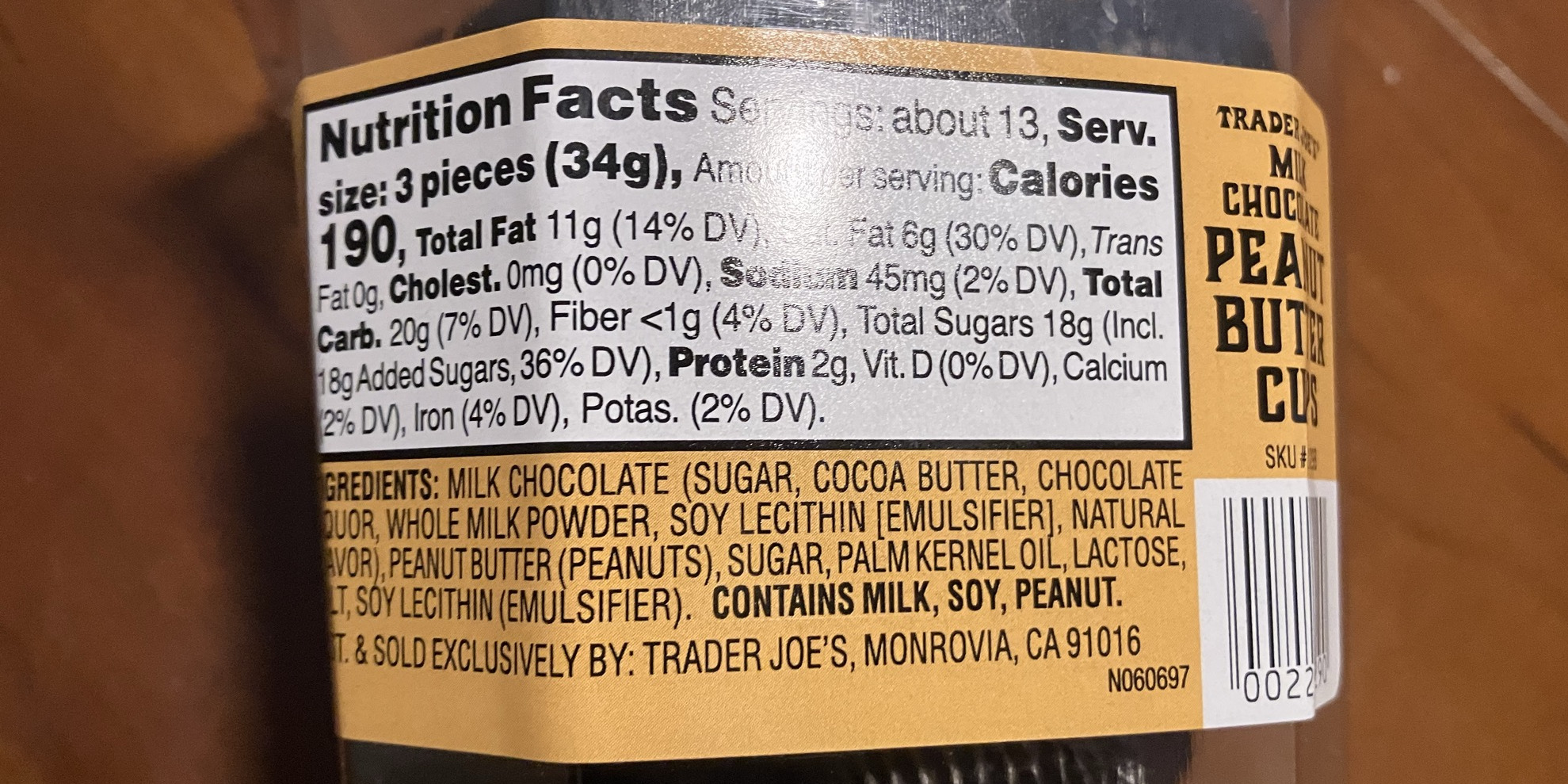
Dr. Fou suggests adfraud and under-investment in brand-building advertising as contributing factors. Another problem may be that money spend on surveillance advertising tends to crowd out investments in product improvements, or require disinvestment in products and services, much as sports betting tends to crowd out investments by households. Trader Joe’s peanut butter cups have milk chocolate, no ads, and no ingredients list drama.
The future timeline in which the role of marketing decision-makers is reduced to, effectively, interacting with an “AI”-based central planning system is already partly here. In Orwellian “Doublethink” and Programmatic Advertising, Farmer writes,
Programmatic is successful in generating income for Big Tech, particularly for Google, Meta, Amazon, data providers and martech infrastructure owners. Anyone beholden to or involved with Big Tech sees programmatic advertising as “good.” (What must be ignored is that the publishers and agencies are being starved of revenue by Big Tech…and agencies will be eventually squeezed out by Big Tech.)
Eventually could be soon. According to some documents that came out in discovery, at least one of the major agency holding companies is disturbingly reliant on “proprietary media trading” as their pricing power declines. Tom Denford writes, in 3 Things Marketers Must Do After the WPP Disclosures,
At the same time, the leaked “Project Claridges” presentation, released in ongoing litigation, shines a light on $1bn of what WPP calls a “non‑product related income” engine built on rebates, content deals and, most significantly, proprietary media trading. That disclosure doesn’t just affect WPP, it validates what many CMOs have long suspected about the wider holding‑company model.
Maybe surveillance advertising is working, and working so well that the Big Tech companies are capturing all the value created by it?
But it doesn’t look that way. Meta and Google are taking the kinds of high-profile risks of doing obvious crimes that a legitmately growing company shouldn’t have to. IAB Sweden just voted to expels Meta over crime issues, which is not the kind of thing that industry organizations just do to a major member. If we were on the timeline where Big Tech were making sustainable revenue from their advertising oligopoly, they would have been able to reverse fraud-friendly decisions and smooth this kind of thing over. Instead, because the companies are forced to juice their stock prices without enough legit revenue to justify it, the tricks continue. For example, they’re consolidating ownership of how ads are measured by putting obfuscated ad reporting into web browsers.The surprising part is that Apple is still going along with that one. It seems like they would have taken the opportuntity to squeeze Meta and Google, like they’re squeezing the laptop business by releasing a bargain-priced but good Mac OS laptop right when everyone else is dealing with the RAM shortage.
Surveillance advertising hasn’t been good for brands, agencies, or the people it tracks. (Even the literature that proponents cite doesn’t really support it, if you read the body copy.) It’s going to be harder and harder to justify the risks. Oh well, see you in the comment files for the next state privacy law.
Bonus links
The
Broken State of Mobile Marketing: How Attribution Theft Created a $100B
Fraud Scheme by Jason Fairchild. By awarding 100% of the credit
to the final interaction, a few key measurement providers have built a
system that incentivizes “Attribution Theft” and perpetuates the
industry’s most pervasive fraud problem.
Disrupting 59M Malicious Impressions: Inside D-Shortiez Testing Infrastructure and Campaign Management by Confiant and Michael Steele. (See screenshots for examples of “Google-branded gift card scams” and “Amazon-branded giveaway scams”. If the web ad business is so good at AI, why do obvious trademark-infringing ads even run? More: Derry murder is the latest fallout from NH’s ties to global gift card scam by Todd Bookman.)